

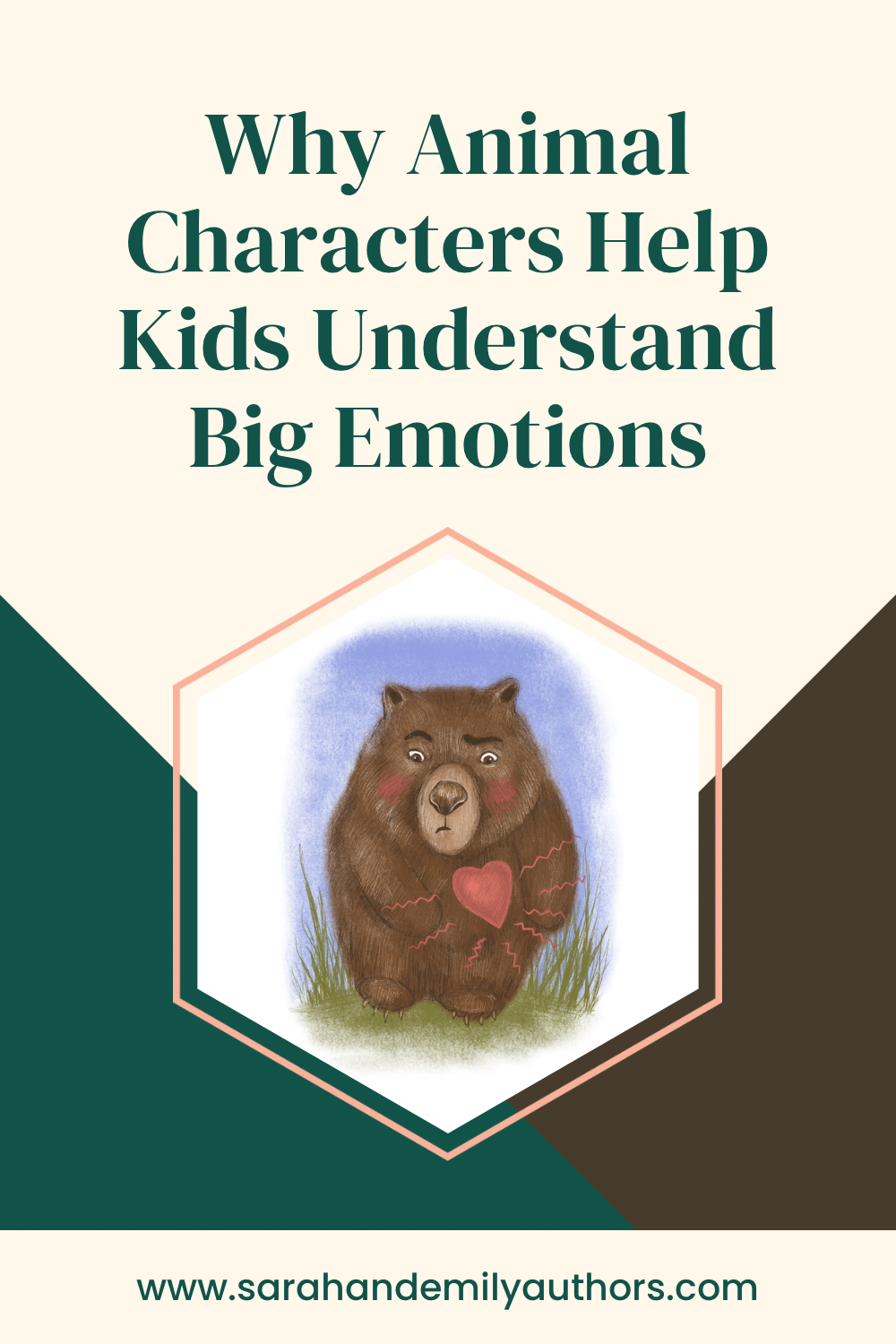
How Animal Characters Help Children Explore Big Emotions
Children's books are full of animal characters—wombats, bears, owls, rabbits, and more. While they capture children's attention with their charm, these characters also serve a deeper purpose: they create a safe, gentle space for children to explore and understand big emotions.
If you've ever wondered why children's emotional learning books feature so many animals instead of human characters, there's solid psychology behind it. Animal characters in children's books aren't just cute—they're powerful tools for teaching emotional intelligence and helping kids process difficult feelings.
---
Why Animal Characters Work for Emotional Learning
A Safe Distance for Processing Emotions
It can be confronting for a child to read about another child feeling anxious or upset. When those same emotions are shown through an animal—perhaps a little wombat who feels worried—it creates enough emotional distance for children to engage without feeling overwhelmed.
This psychological distance is crucial for young children learning about emotions. The character becomes a mirror, but not too close. Children can observe, learn, and reflect without the immediate pressure of identifying with a human character who looks exactly like them.
Normalising Feelings Through Relatable Characters
Animal characters in picture books show children that feelings like worry, anger, sadness, or excitement are part of everyone's story. A bear with butterflies in his tummy or a rabbit who can't sleep because of racing thoughts makes it clear: big feelings are normal, natural, and nothing to be ashamed of.
When children see their favourite animal characters experiencing emotions, it validates their own experiences. This is especially important for teaching emotional regulation to young children who may not yet have the vocabulary to express what they're feeling.
Gentle Entry Points for Conversation
It's often easier for a child to say, "The wombat is worried" than "I'm worried." Animal characters in children's books provide that safe entry point for parents, teachers, and counsellors to open up conversations about emotions.
From there, children can begin to connect the dots between the character's feelings and their own. This indirect approach to discussing emotions is particularly effective for children who struggle with anxiety, shyness, or difficulty expressing feelings.
Playfulness and Imagination Make Learning Stick
Because animal characters spark joy and imagination, even heavy topics feel lighter. A penguin teaching deep breathing exercises or a kangaroo modelling how to ask for help makes coping strategies for children memorable and playful.
This playful approach to social-emotional learning ensures that children actually remember and use the strategies they learn. When emotional skills are taught through engaging stories rather than lectures, kids are more likely to apply them in real situations.
Building Emotional Vocabulary and Literacy
Through animal stories for kids, children learn how to recognise and describe their feelings. If a character says, "My tummy feels tight when I'm nervous," children start to link physical sensations with emotions.
This builds emotional literacy—giving children the language and tools to express themselves clearly. Research shows that children with strong emotional vocabulary have better mental health outcomes and stronger relationships throughout their lives.
---
The Best Animal Characters for Teaching Emotions
When choosing books with animal characters for emotional learning, look for stories that:
• Show specific body clues that signal different emotions
• Model practical coping strategies children can use
• Normalize a range of feelings (not just happiness)
• Create opportunities for conversation between parent and child
• Feature relatable situations children actually face
Popular animal characters in children's emotional learning books include wombats, bears, rabbits, owls, and other creatures that children find endearing and approachable.
---
Final Thought: Why This Matters for Your Child
Animal characters aren't just entertaining—they're powerful guides for emotional development. They help children name, understand, and manage their emotions while keeping the story world safe and approachable.
Whether it's a wise owl, a caring bear, or Wally Wombat the Worrier, these characters remind children that emotions are a shared experience, and that with the right strategies, they can handle them.
For parents and teachers looking to support children's emotional growth, books featuring animal characters provide an evidence-based, child-friendly approach to building emotional intelligence and resilience.
---
Ready to Help Your Child Understand Their Emotions?
The Wally Bundle features animal characters specifically designed to help children recognise body clues, build coping strategies, and feel confident navigating big emotions.
📚 Wally Wombat: Anxiety Body Clues
📚 Wally Wombat: Anxiety Strategies
✅ Amazon #1 & #2 Hot New Releases
✅ Recommended by teachers, counsellors & parents across Australia
✅ Perfect for ages 4-8
Choose Your Format:
eBook Bundle - $15
Perfect for instant access and reading on tablets or devices
Print Book Bundle - $35
Beautiful physical books your child can hold and treasure